

Designing Disruption Without Destroying Yourself

Disruption gets a bad name. And disruption is all that seems to be happening to me lately… but I am not discouraged. I have come to believe that these disruptions are making me better. And—they can make you better too.
Most people hear the word and immediately think of stress, setbacks, broken plans, and unnecessary pain. We call life “disrupted” when things stop going according to schedule. A relationship changes. A door closes. A timeline slips. A diagnosis is made. A carefully built plan starts to wobble. And when that happens, our first instinct is usually the same: something must be wrong.
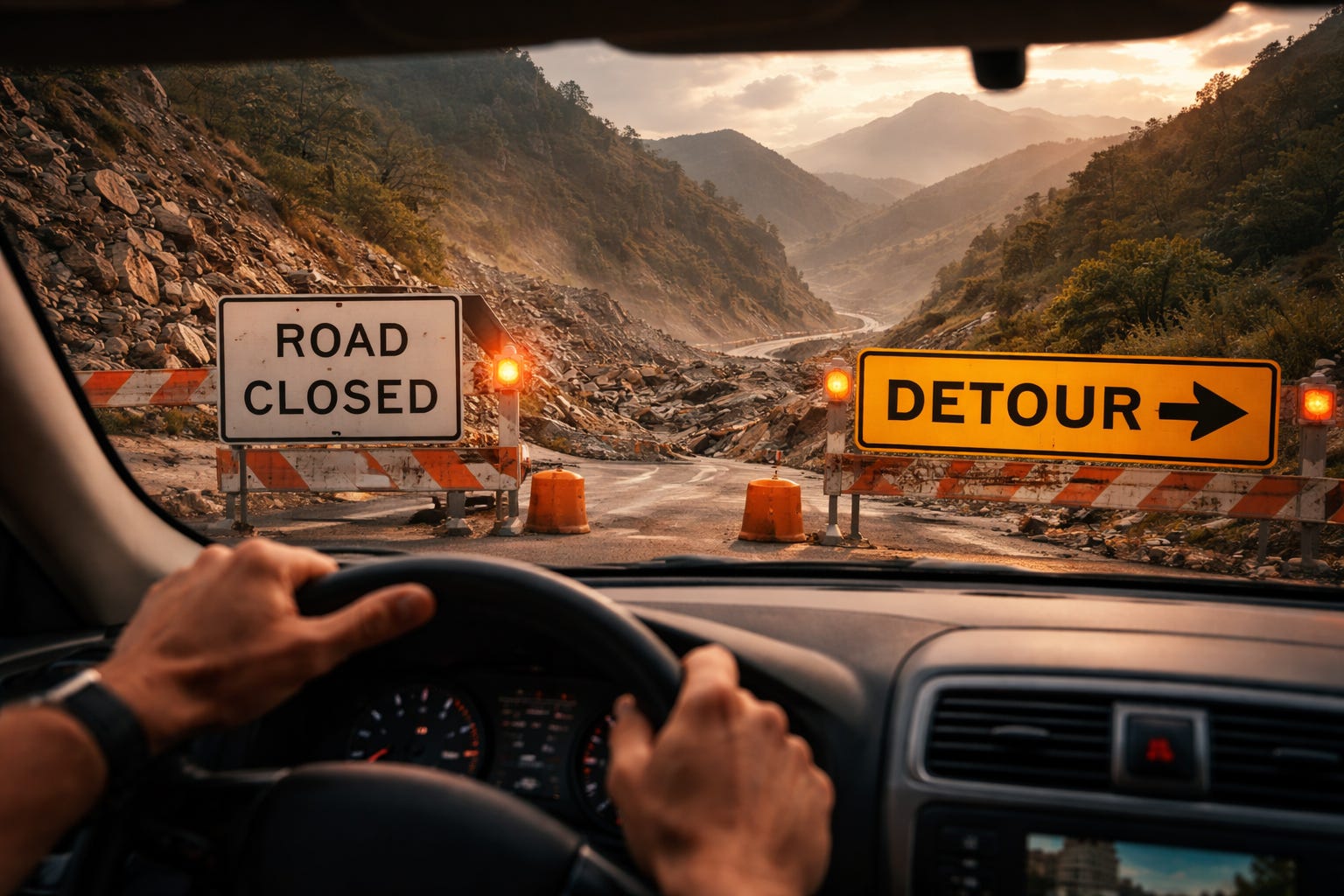
But what if disruption is not always a problem to fix?
What if disruption is often the very thing that moves you forward?
That is the part most people miss. We tend to think progress comes through control, consistency, and perfectly executed plans. But some of the greatest turning points in life come through interruption. The unexpected conversation. The failed opportunity. The delay you never wanted. The detour you resisted. The season that forced you to rethink everything.
In the moment, disruption feels like loss. Later, it often looks like preparation.
That is because disruption has a way of exposing what routine hides. It shows you how attached you are to predictability. It reveals how much of your confidence depends on things going your way. It confronts the assumptions, habits, and expectations you have been carrying without ever questioning. And if you let it, disruption can do something else: it can develop you.
It can sharpen your thinking.
It can deepen your resilience.
It can stretch your perspective.
It can reveal capacity you did not know you had.
The truth is, many people do not need more motivation. They need interruption. They do not need another inspirational quote. They need something strong enough to wake them up from autopilot.
Because autopilot is dangerous.
A comfortable routine can slowly become a cage. Familiarity can become stagnation. Predictability can make you feel safe while quietly making you smaller. You keep doing what you have always done, thinking what you have always thought, and expecting life to somehow produce something new. But growth rarely happens inside a closed loop.
That is why designed disruption matters.
Not reckless disruption. Not chaos for the sake of chaos. Not blowing up your life because you are bored. Designed disruption is different. It is intentional. It is thoughtful. It is the choice to step outside what is familiar so you can become more aware, more adaptive, and more alive.
Try something new.
Go somewhere unfamiliar.
Read outside your usual genres.
Talk to people who challenge your assumptions.
Change a routine that has become stale.
Ask a harder question.
Take a risk that stretches you.
These may seem small, but small disruptions often create major internal shifts. They loosen your grip on comfort. They help you notice blind spots. They push you out of mental ruts. They create space for growth.
The goal is not to destroy your life. The goal is to keep your life from becoming too narrow, too rigid, too rehearsed. Sometimes the interruption you resisted most becomes the moment that changed your trajectory for the better.
So the next time life feels disrupted, do not rush to label it as failure. Pause long enough to ask a better question: What might this disruption be trying to develop in me?
That question can change everything. Because not every disruption is there to break you. Some disruptions are there to build you.
If this resonated, share it with someone who may be mistaking interruption for failure. Sometimes what feels like a setback is the beginning of a stronger, wiser, more expansive life.